

TTORTOISE
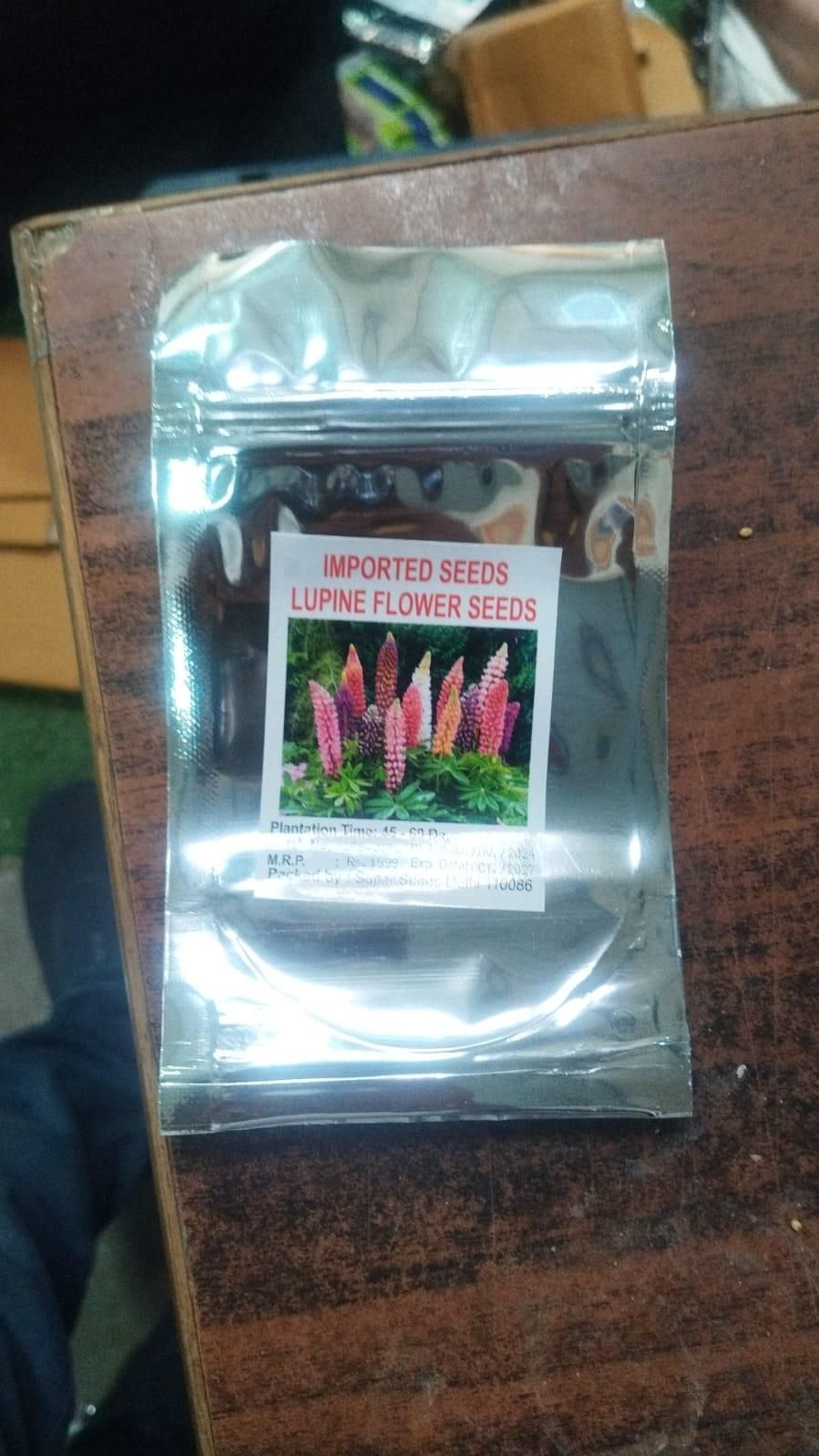
Lupine Blossoms - Seeds
Lupine Blossoms - Seeds
Couldn't load pickup availability
 Low Price
 Easy Returns
 Cash On Delivery & Free shipping


PRODUCT SPECIFICATION
Product Name: Lupine Blossoms - Seeds
Package Contain: Pack Of 1
Product Type - Seeds
Combo: Pack of 1
Weight - 100gram
LBH- ? 10*8*4
What's So Special About Lupine Flowers?

The question we really like to ask is "What isn't special about them?"
Here's everything that makes Lupines the best garden flowers!
✔ Dreamy, tall blooms - delightful ornamental plants
✔ Perfect border plants that fit well into all kinds of gardens
✔ Potential anti-aging benefits - makes them popular additions to Ayurvedic medicine
✔ Improve soil fertility in the long run
✔ Help create a bustling pollinator garden
| Other Names | Lupine, Lupin, Bluebonnet flowers |
| Lifespan | 2-5 years, with the right care |
| Sunlight | 6-8 hours a day |
| Growth | Fast growing legume |
| Toxicity | Toxic to humans and animals upon ingestion |
In the end, lupin seeds after flowering really show why all the blood, sweat, and tears you put into growing them were most definitely worth it.
• How to Germinate Lupin Seeds

Of course, when we see a flower we like, we need to have it in our spaces; and what better way to add flowers to home gardens than to grow them from scratch?

1. Pick a location to start your seeds

You can start your Lupin flower seeds either indoors or outdoors. So, pick a spot and soil accordingly. Let's break it down according to locations:
Indoors: Use a seedling tray and coco peat to germinate your seeds
Outdoors: Use a well-draining potting mix and sow the seeds about 1/4 to 1/2 inches deep
2. A Sunny Spot Bodes Well
Your Lupins seeds need at least 6-8 hours of sunlight in a day. While they thrive with proper sunlight, they do not appreciate the harsh afternoon sun.
So, whichever spot you pick must give your seeds light shade during afternoons.
3. Balanced Watering is Key
All seeds need just enough water to germinate. However, too much of anything is suffocating. So, strike the right balance and give your seeds consistent moisture, without ever overwatering them.
4. Post-Germination Transplanting

You've nailed the light and watering requirements for these seeds. So, what's next?
Your Lupins seeds will take at least 14-30 days to germinate and once they do, you will breathe a sigh of relief like never before (believe us, we know)! Once these seeds germinate and develop at least 2 true leaves, it's time to transplant (that is, if you've started your seeds indoors).
Transplant the seedlings outdoors into well-draining and aerated soil to ensure proper breathability.
Once your seedlings grow more, caring for them can look slightly different, and here's how!
• Caring for Lupin Seeds After Flowering: How Can You Show Up For Your Plants?
As mentioned before, these flowering plants are delightfully low maintenance once established and essentially, once your seeds have germinated, a lot of the hard part is over.
Just remember, with any and every part, consistency is key. Consistent care = stunning growth!
So, for the easy part, here are some care tips to ensure that you remain a good parent to your Lupines flowering plant:
1. Continuing the Balanced Watering

Even with mature Lupins plants, it is essential that you keep their soil moist at all times. However, remember to avoid making the soil too soggy because that will do more harm than good.

Lupines hate wet feet!
Here is a short watering guide for Lupine flowering plants:
| Watering Seasonally |
These plants will need more watering in the spring and summer times. However, they will need relatively less watering during their dormant season; i.e. during winter and fall months. |
| Weekly Watering |
Ideally, when still in the process of being established plants, Lupine flowers need plenty of water. Water them weekly if the weather isn't too hot and twice a week if your area is going through a dry spell. |
2. Give Them The Spotlight with Enough Sunlight

Lupines are well-known sun lovers and love to soak up all the light they can get.

So, plant them in a spot where they can bask in the sunlight for at least 6-8 hours every day. Yes, they can survive in partial shade but their blooms won't be as vibrant.
3. Fertilization: Keeping Your Lupine Flowers Well-Fed

Always remember to use a fertilizer designed for flowering plants. These must be low in nitrogen because excessive nitrogen can cause more leaf development, all at the expense of flowering.
When planting lupine seeds in pots, use Ugaoo's Plant Food Bloom Sticks to ensure proper fertilization and blooming.
However, when grown directly in the soil, use Epsom Salt for optimal results!
Fertilize only during the growing seasons and leave your plants alone when they're dormant!
4. Mulching Around the Plants

Apply a thin layer of organic mulch, such as straw or bark, around the base of the plants to suppress weeds.
Why? Mulch helps maintain consistent soil moisture and keeps the roots cool. Cooler spaces, happier Lupines!
5. Deadheading the Blooms (sounds brutal but you need it)

Deadheading any flowering plants is key because it ensures that spent blooms are removed and newer blooms have space to grow in.
So, deadhead your Lupine flower plants and ensure that you provide a clean and hospitable environment for any new flowers!
Show them love and Lupines will show you marvelous blooms like you never even expected. With the right care, these flowers will keep gracing your gardens for at least 2-5 years.
So, grow with confidence and reap the benefits of a stunning ornamental plant! Happy gardening, fellow gardener!
❓FAQs (Question + Answer)
1. Q: What kind of environment do these lupine seeds need to grow?
A: They need well-draining soil and plenty of sunlight (6+ hours/day).
2. Q: Should I soak the seeds before planting?
A: Yes — soaking overnight (or scarifying) helps them germinate faster.
3. Q: How deep should I plant the seeds?
A: About ¼ inch (≈ 6 mm) deep in the soil.
4. Q: How far apart should I space lupine plants?
A: Keep plants about 12–18 inches (30–45 cm) apart for healthy growth.
5. Q: When will the seeds germinate and start growing?
A: Usually within 10–20 days under ideal conditions.
6. Q: Do lupines tolerate heavy soil or waterlogging?
A: No — they prefer well-drained, sandy or loamy soil and dislike soggy or heavy clay soil.
7. Q: Can these seeds be planted in pots or containers?
A: Yes — but use a deep pot with good drainage and ensure enough light. Derived from general care guidelines.
8. Q: Will these flowers bloom every year?
A: Yes — many lupine varieties are perennial; with proper care, they return year after year
5-Day Policy
1. Processing: Orders are processed and shipped within 5 business days.
2. Delivery: Once shipped, you will receive a tracking number. Delivery times depend on your location and the carrier.
3. Returns: Unused items in original packaging can be returned or exchanged within 5 days of delivery and terms & conditions apply